

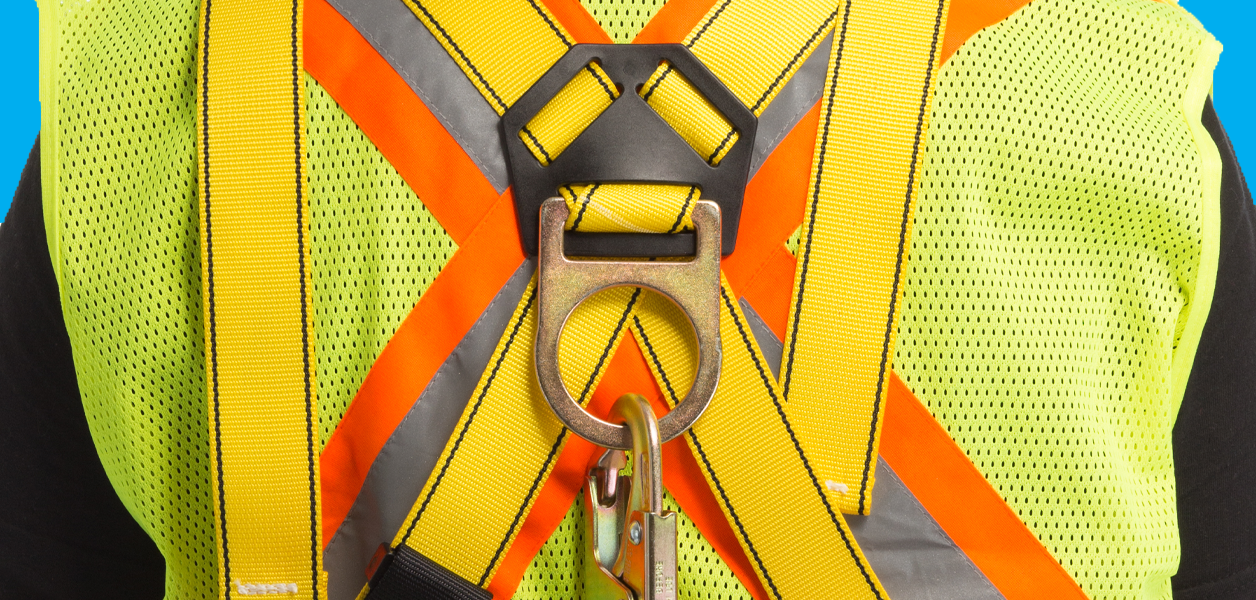
Personal protection equipment that does not fit properly can create safety hazards, and unfortunately, women in the construction industry often have ill-fitting PPE.
The International Safety Equipment Association reports about 75% of tradeswomen are exposed to unnecessary safety risks because of PPE that fits poorly, according to Safety+Health magazine.
PPE often is designed with male body proportions in mind—broader shoulders, longer limbs and bigger hands and feet—and women often have to try to just make it work.
“Women are not small men,” said safety professional and advocate Abby Ferri in an interview with the American Society of Safety Professionals. Available PPE should accommodate different body shapes, including wider hips, narrower shoulders and different torso proportions.
When PPE does not fit properly, people may misuse it or decide not to use it, leaving workers more vulnerable to safety risks; experience gear that is too large and gets caught on equipment or causes them to trip, which could lead to injuries; and become frustrated and distracted, which can lead to mistakes or lack of attention.
When people wear PPE that fits properly, they are safer on the job site. And providing proper-fitting PPE for women shows your company cares about their safety, which could help boost recruitment and retention. Additionally, workers wearing comfortable gear will be focused and more productive.
In 2024, the Department of Labor and Occupational Safety and Health Administration updated PPE rules for the construction industry so employers now are explicitly required to provide properly fitting PPE for workers. Also, manufacturers increasingly are designing PPE specifically for women, with improved patterning, better proportioning and more size options.
Take the time to evaluate your company’s PPE and ensure it fits properly for all employees.
Stay on top of safety issues by checking out NRCA’s health and safety resources.
.jpg)